
Why Security Services are Essential for Construction Sites ?
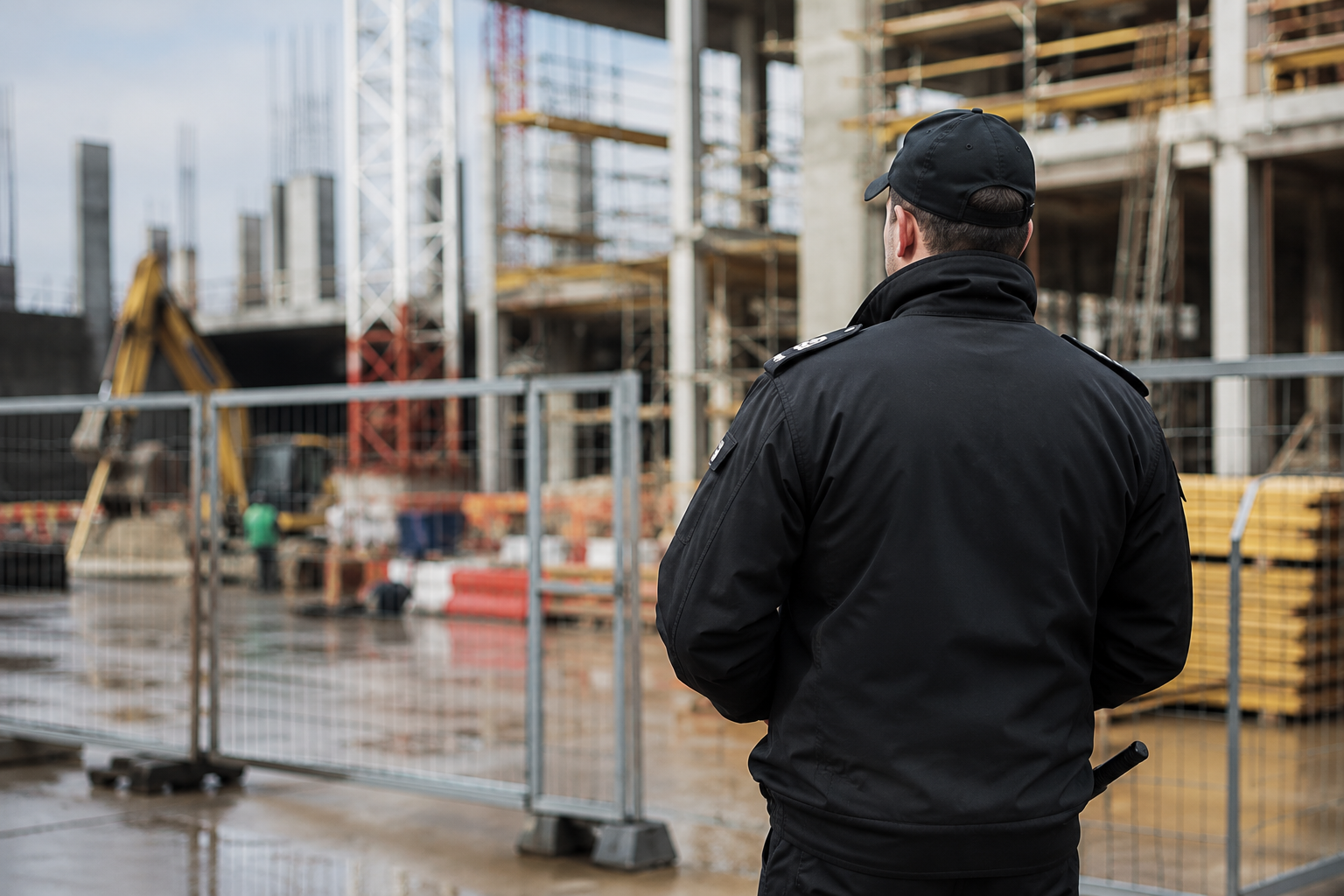
The moment a developer breaks ground, the geographical footprint transforms into a high risk repository of raw materials, expensive machinery, and vulnerable infrastructure. The initial stages of excavation and foundation laying expose heavy plant equipment to organized theft, while later stages present lucrative opportunities for copper and specialized tool scavengers. Construction managers are acutely aware that an unsecured perimeter invites opportunistic vandalism and targeted criminal operations that can cripple a strict timeline.
The complications of site breaches extend far beyond the immediate loss of physical property. Site managers face the cascading nightmare of project delays, disrupted supply chains, and demoralized workforces. When an excavator goes missing in the dead of night, the financial damage includes the insurance deductible, the cost of renting emergency replacement machinery, and the daily wages paid to operators who suddenly have no equipment to use. Unplanned downtime burns through contingency budgets at an alarming rate, threatening the profitability of the entire development.
Addressing these multidimensional vulnerabilities requires an uncompromising approach to perimeter and internal asset management. When managing large scale developments, integrating robust Construction Site Security services in UK is no longer an optional line item but a fundamental requirement for risk mitigation and operational continuity. Protecting profit margins means anticipating threats before they materialize into expensive insurance claims and irreversible schedule disruptions.
Financial Hemorrhage of Unplanned Perimeter Breaches
A reactive approach to site protection inevitably leads to massive budget overruns. Raw materials like timber, structural steel, and copper wiring possess significant resale value on the black market, making unsupervised builds highly lucrative targets. The cost of replacing fifty meters of stolen copper cabling is often negligible compared to the thousands of pounds lost paying specialized electricians to strip out damaged remnants and reinstall the new wiring. Every stolen asset generates a ripple effect of operational delays that pushes back final handover dates.
Efficient threat management neutralizes these risks by establishing an active deterrent that prevents unauthorized access. Professional onsite teams monitor vulnerabilities, control access points, and ensure that high value materials are properly locked down at the end of each shift. Preventing a single major theft event or a weekend of destructive vandalism often covers the entire operational cost of specialized personnel for the duration of the build.
Quantifiable benefits of active physical protection include:
- Elimination of emergency equipment rental costs due to theft
- Drastic reduction in material replacement expenses
- Prevention of costly schedule overruns and associated penalty clauses
- Maintenance of optimal workforce productivity levels
Mitigating Liability and Adhering to Strict Safety Regulations
Building zones are inherently hazardous environments filled with deep excavations, heavy machinery, and dangerous materials. Unauthorized access by urban explorers, vandals, or curious local residents presents a massive legal liability for developers and main contractors. Under strict health and safety legislation, site operators bear the responsibility of preventing public access to these hazards. A breach resulting in injury to an intruder can lead to severe legal ramifications, massive fines, and immediate site closures pending lengthy investigations.
Deploying trained professionals ensures that strict access control protocols remain enforced around the clock. By verifying the credentials of every individual entering the footprint, managers can guarantee that only fully inducted and authorized personnel access hazardous zones. This rigorous filtering process effectively eliminates the risk of unauthorized entry and protects the development company from devastating liability claims.
Active access management provides several critical safety advantages:
- Enforcement of mandatory site inductions and safety briefings
- Real time tracking of personnel numbers for emergency evacuations
- Prevention of uncertified individuals operating heavy machinery
- Strict enforcement of personal protective equipment compliance at entry points
Navigating the Complexities of Organized Machinery Theft
Modern construction sites face threats that go far beyond petty theft or casual trespassing. Organized criminal syndicates actively target developments specifically to extract heavy plant equipment and specialized power tools. These highly coordinated groups operate with alarming efficiency, often utilizing drone reconnaissance to map blind spots, cloning electronic vehicle keys, or bypassing standard ignition locks within minutes. Countering this level of sophistication requires more than a simple chain link fence and a padlock.
It demands the strategic deployment of highly trained personnel who understand the evolving methodologies of these criminal networks. Professional guards implement dynamic, unpredictable patrol routes to disrupt enemy reconnaissance and identify tampering with perimeter defenses before an extraction attempt occurs. By securing the physical perimeter and actively monitoring high value asset storage, these teams create a hostile environment for organized criminals looking for an easy target.
Synergizing Manned Guarding with Advanced Surveillance Diagnostics
Relying solely on technological solutions is a common pitfall in modern site management. Cameras and sensors are excellent tools for recording an incident, but they cannot physically intervene to stop a crime in progress. Professional site protection requires a synergistic approach where advanced surveillance diagnostics empower human operators to respond instantly to emerging threats. When a motion sensor trips at a remote perimeter fence, relying on a distant police response often guarantees the perpetrators will escape with the assets.
Real time monitoring feeds directly to on site personnel who can intercept intruders immediately. Integrating thermal imaging and motion triggered lighting with rapid physical intervention creates a formidable defensive posture. Guards can investigate blind spots, verify false alarms caused by wildlife, and apprehend or deter trespassers the moment they breach the boundary line. This combination of technology and physical presence guarantees absolute site integrity.
Adapting Protection Strategies to Phased Development Cycles
A building project is a highly dynamic environment, and the associated vulnerabilities change rapidly as the build progresses. The security requirements during the initial groundwork phase differ vastly from those necessary during the second fix or final fit out stages. Initially, the primary focus remains on securing heavy earth moving machinery, diesel fuel reserves, and maintaining a secure boundary against environmental activists or casual trespassers.
As the structure takes shape, the priority shifts dramatically toward protecting installed copper piping, high value electrical components, boilers, and finished interior spaces from targeted theft and vandalism. Security protocols must evolve dynamically alongside the build schedule. Professional teams conduct rolling risk assessments, adjusting patrol frequencies, relocating temporary camera masts, and tightening internal access controls to match the specific threat profile of each distinct construction phase.
Stakeholder Confidence and Insurance Premium Optimization
Financial stakeholders, investors, and joint venture partners require absolute assurance that their capital investments are fully protected against foreseeable risks. Demonstrating a proactive and comprehensive stance on risk management directly influences investor confidence and positively impacts insurance premiums. Insurers heavily scrutinize site protection plans, frequently demanding evidence of continuous overnight and weekend guarding before underwriting policies for high value urban developments.
Implementing rigorous protection protocols demonstrates a commitment to operational excellence that insurers recognize and reward. Lower insurance premiums, reduced excess payments, and the elimination of rejected claims rapidly offset the investment required to secure the site properly. Furthermore, maintaining a clean, secure, and incident free environment enhances the reputation of the main contractor, making it easier to win future tenders and secure additional investment capital.
Securing Assets Through Accredited Threat Management
Maintaining a secure footprint requires deploying highly vetted, fully licensed professionals capable of handling complex emergencies. Effective threat management relies on personnel who are not merely physically present but are rigorously trained in conflict de-escalation, hazard identification, and emergency first response. A tailored strategy incorporates a blend of mobile vehicle patrols, static gatehouse guarding, and rapid response units operating continuously to maintain control over the environment.
Deploying a deeply experienced local team provides a distinct advantage, as they possess specialized knowledge of regional threat landscapes and localized criminal patterns. These accredited teams execute thorough out of hours patrols, conduct detailed fire watch duties to prevent catastrophic arson, and monitor environmental hazards like flooding or structural instability during severe weather events. This comprehensive oversight ensures that the site remains perfectly intact and ready for productive labor the moment the morning shift arrives.
Frequently Asked Questions
Why is perimeter fencing alone insufficient for high value asset protection?
Fencing acts as a passive boundary that organized criminals can easily cut, scale, or dismantle. Without active physical monitoring to detect and respond to breaches, a fence simply delays an intrusion by a few minutes rather than preventing it entirely.
How do dynamic patrol routes deter organized theft on large developments?
Predictable security patrols allow criminals to map vulnerabilities and time their intrusions perfectly. Dynamic, randomized patrol routes disrupt enemy reconnaissance, making it impossible for thieves to anticipate when a guard will appear, thereby neutralizing their tactical planning.
What specific training should on-site personnel possess to manage construction hazards?
Personnel should hold valid licensing and possess specialized training in conflict management, emergency first aid, hazard identification, and dedicated fire watch protocols to handle the unique dangers of a building zone.
How does the security requirement change during the interior fit out phase?
During fit out, the threat shifts from heavy machinery theft to the targeted extraction of highly valuable, easily concealable items like copper wiring, lighting fixtures, and installed appliances, requiring stricter internal access controls rather than just perimeter defense.
Can robust guarding strategies actively reduce project insurance premiums?
Yes, insurance underwriters assess the risk profile of a project before determining premiums. Demonstrating a comprehensive, 24/7 manned protection strategy significantly lowers the perceived risk of theft and arson, often resulting in highly favorable policy terms and lower deductibles.
What are the hidden costs associated with plant machinery theft?
Beyond the replacement value of the machinery, hidden costs include emergency rental fees, wages paid to idle workers, project delay penalties, increased insurance premiums, and the administrative burden of managing police reports and insurance claims.
How do rapid response units integrate with static CCTV monitoring?
When static CCTV cameras detect unauthorized movement, the control room immediately dispatches a rapid response unit to the specific location. This bridges the gap between passive observation and active intervention, ensuring criminals are intercepted before leaving the premises.
What role do access control systems play in health and safety compliance?
Access control systems electronically verify the credentials and induction status of every worker at the gate. This guarantees that uncertified individuals cannot enter hazardous zones, thereby maintaining strict compliance with health and safety regulations and shielding developers from liability.
Why is out-of-hours protection critical for project timeline continuity?
The vast majority of significant theft and destructive vandalism occurs at night or over weekends when the site is abandoned. Securing the footprint during these vulnerable hours ensures that materials and machinery are exactly where they need to be when the workforce returns.
How does professional threat management handle unauthorized urban explorers?
Professionals use early detection techniques to intercept urban explorers before they access dangerous structures. They employ conflict de-escalation tactics to safely remove the individuals from the premises, thereby preventing potential fatal accidents and protecting the contractor from severe legal liabilities.
Conclusion
The transition from a vulnerable construction site to a perfectly secure development zone relies entirely on proactive risk management. Reactive measures implemented only after a major theft or vandalism incident simply cannot recover the lost time, the shattered stakeholder confidence, or the inflated insurance premiums. Protecting the integrity of a build requires acknowledging the reality of modern threats and implementing strategic countermeasures that evolve alongside the project itself.
By prioritizing continuous oversight and strictly controlled access, developers effectively insulate their profit margins from unpredictable external forces. The cost of unplanned downtime and mechanical degradation far outweighs the strategic investment in comprehensive site management. True operational efficiency is achieved only when the workforce can operate without the constant friction of missing tools, compromised boundaries, and safety liabilities.
Ultimately, integrating robust physical security protocols ensures that developments reach completion safely, on schedule, and strictly within budget. It establishes a foundation of trust with investors and sets a benchmark for professionalism that distinguishes top tier contractors in a highly competitive industry.
Leave a Reply