
Entry & access arrangements
Define admission checks, guest or contractor permissions and how unexpected arrivals are referred to the organiser.
For organisers, venues and event teams
Discuss entry management, a visible security presence and incident escalation with USSG. We assess your event, identify the roles required and agree staffing and delivery arrangements before booking.
Event-specific scope · Role-appropriate staffing · 24/7 support
Start with your event
A conference entrance, an outdoor gathering and an evening function have different access patterns. Your security brief should reflect the venue, audience, programme and the busiest arrival and departure periods.
USSG discusses event security requirements with organisers and venue teams, including access arrangements, restricted areas, reporting and escalation. The proposal identifies the agreed service and who delivers each part.
Explore USSG’s security and facilities services or manned guarding for ongoing site security if you also need regular cover beyond the event.
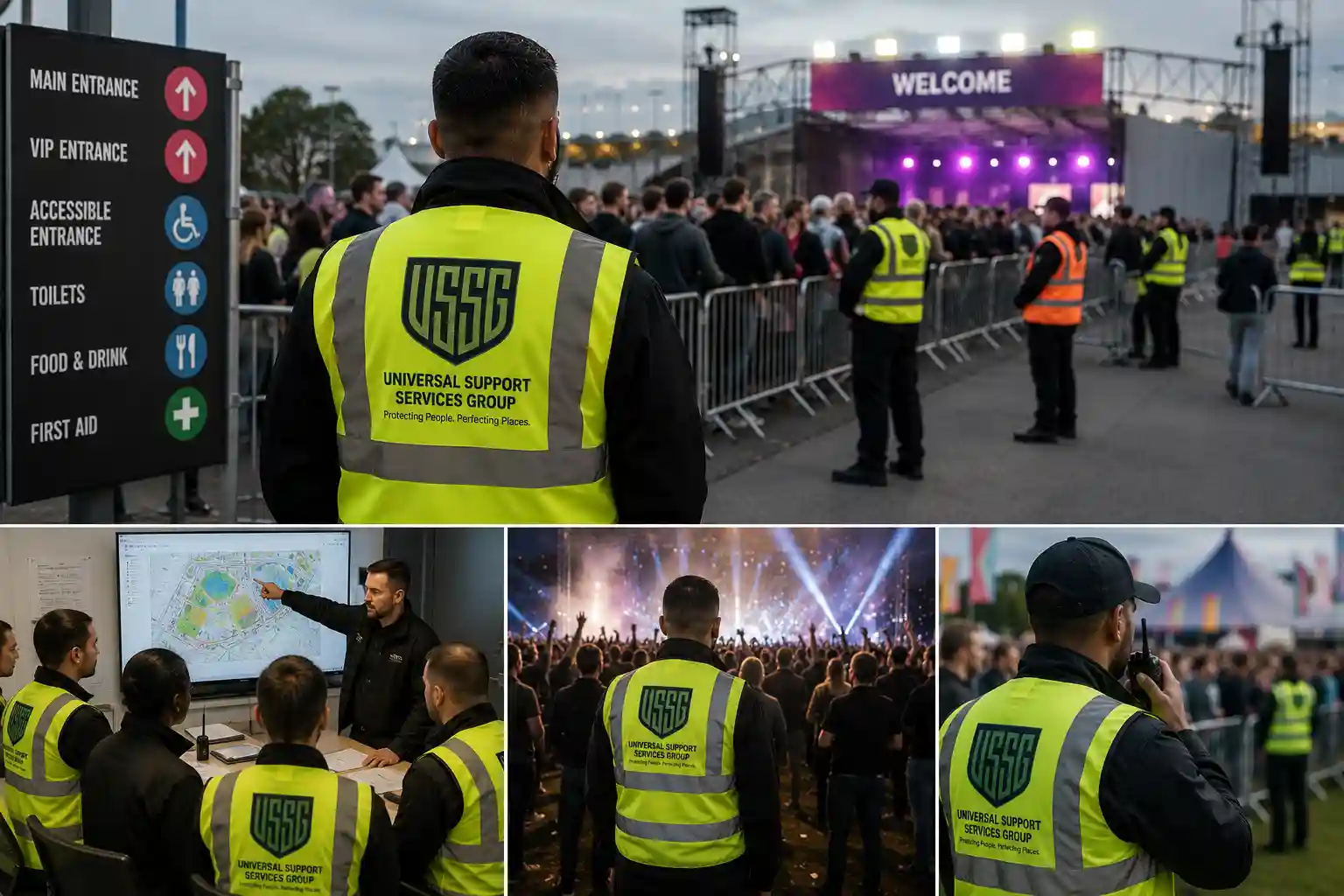
Define admission checks, guest or contractor permissions and how unexpected arrivals are referred to the organiser.
Agree positions for observing entrances and queues, with a clear reporting route when congestion or other concerns develop.
Identify equipment, delivery and staff-only areas. Specify who can authorise entry and how exceptions are handled.
Set out who receives concerns, who makes decisions and how relevant facts and actions are recorded.
Event formats
Choose your event format below. We review the venue, duties and staffing requirements before confirming cover.
Entrances, site boundaries, restricted areas and changes between daytime and evening activity.
Delegate admission, exhibitor access and security during setup and breakdown.
Guest-list arrangements, host contacts and role requirements for the venue.
Separate access for spectators, participants and officials, aligned with venue procedures.
Guest arrival, presentation areas and an agreed end-of-evening departure plan.
Invitation checks, display equipment and the boundary between public and staff areas.
Audience entry, performance schedules and any specialist staffing requirements.
Send the venue, dates and programme so we can review your requirements.
Discuss your event →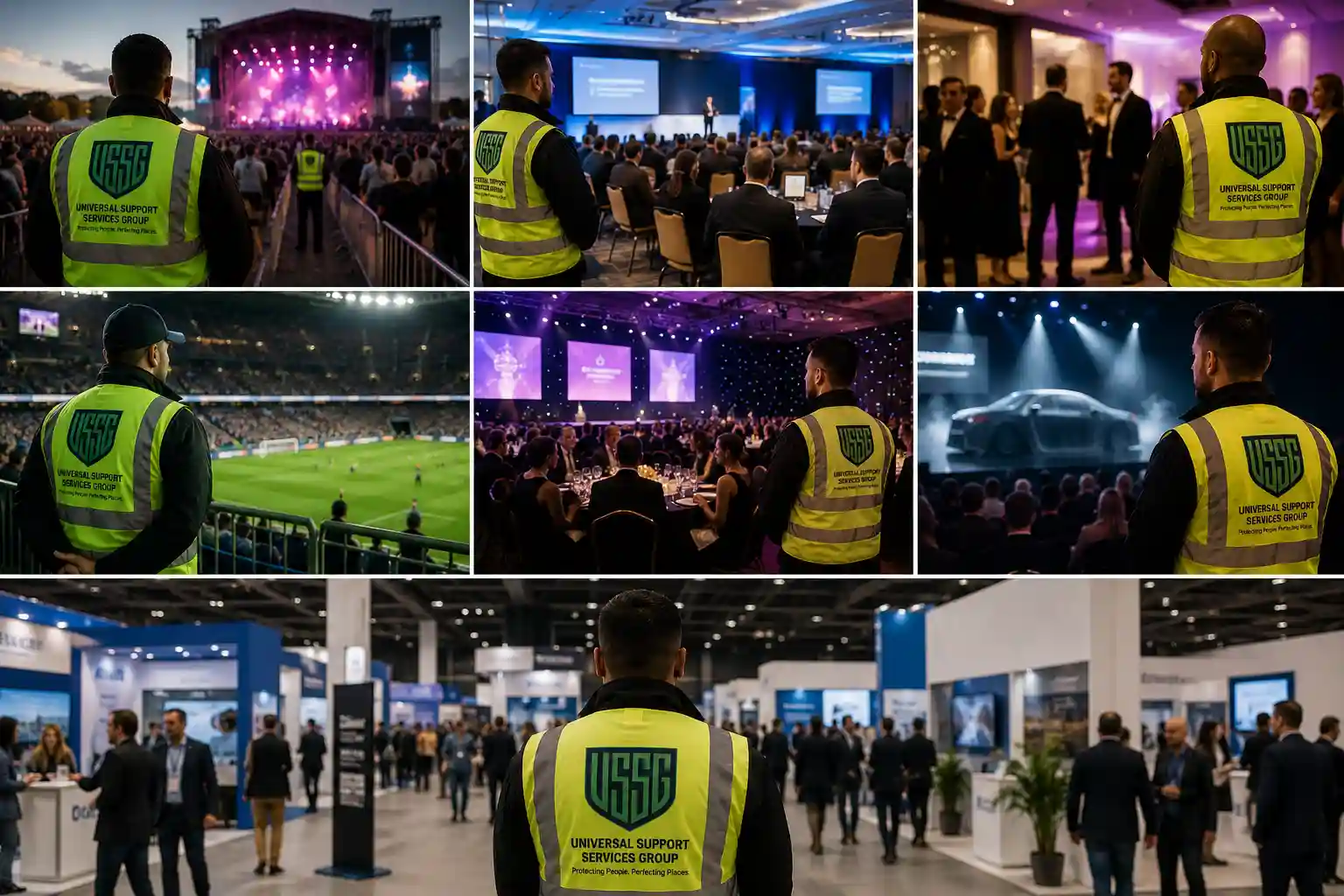

From enquiry to event day
A clear scope before booking and a shared brief before guests arrive.
Send the venue, dates, programme, expected attendance and cover hours.
Discuss entrances, priority areas, busy periods and the roles needed.
Agree staffing, supervision, reporting and any specialist supplier arrangements.
Confirm contacts before the event, report issues and review the assignment afterwards.
Clarity before commitment
Agreed posts, priority tasks and escalation contacts for your venue.
Direct guarding and specialist supplier requirements distinguished before booking.
Relevant credentials, personnel requirements and supervision arrangements you can check.
The right people for the actual duties
A general request for “event staff” is not enough to define the assignment. Identify what each person will do and check the requirements for those duties and that venue.
USSG’s direct security guarding assignments use directly employed, SIA-licensed officers screened to BS 7858 before deployment. This does not mean every event role falls within the same service.
Door supervision, specialist crowd-management work and other requirements outside the agreed direct guarding scope need separate review. Where specialist suppliers are required, the proposed provider and responsibilities are confirmed before booking.
Use the SIA guidance for buyers of event security to help identify roles and supplier checks. Non-security stewarding must not be used as a substitute for a licensable security role.
USSG’s SIA Approved Contractor status covers Security Guarding and Key Holding. Review USSG’s accreditation evidence or check the SIA Approved Contractor register. Approval is specific to its listed activities.
Arrival, attendance and departure
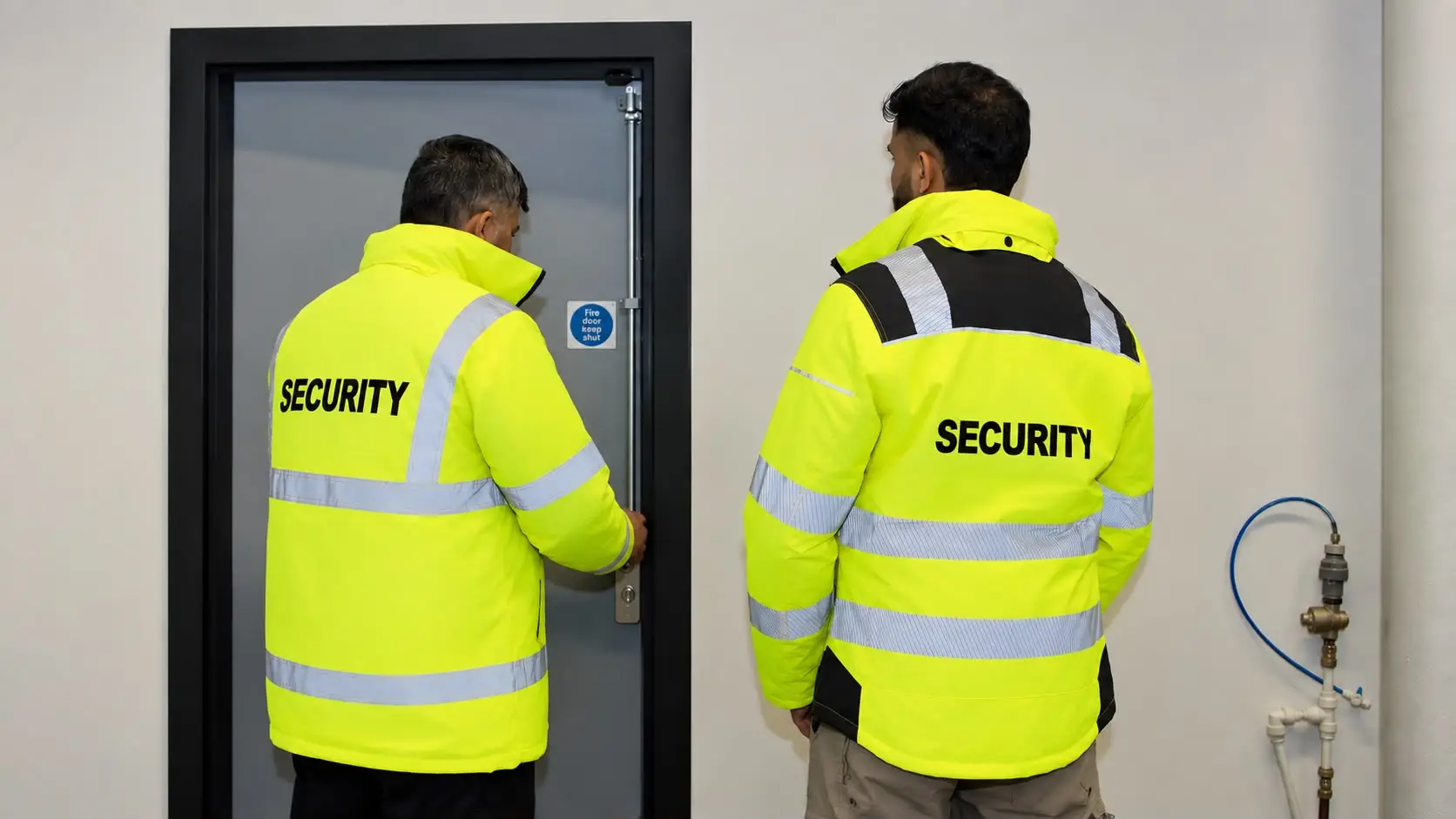
Security personnel need to know how to contact the organiser, where to report a developing concern and who can authorise a change in arrangements.
Include a briefing on venue routes, agreed posts and incident escalation. Emergency arrangements and specialist event-safety decisions need the appropriate competent people; a guarding booking does not replace the organiser’s wider planning.
Read HSE guidance on managing crowds safely for planning considerations, including roles, risk assessment and crowd monitoring.
An officer stationed at an entrance cannot also patrol a separate area. Discuss fixed posts, breaks and escalation support when deciding staffing.
Support before and after the event

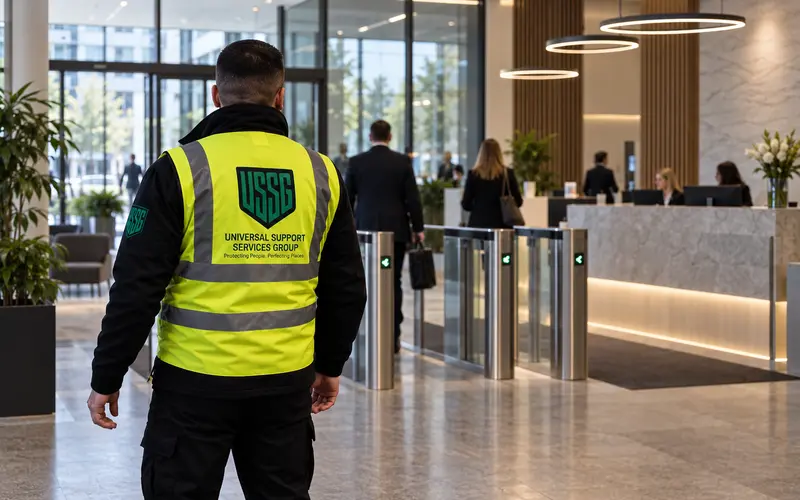
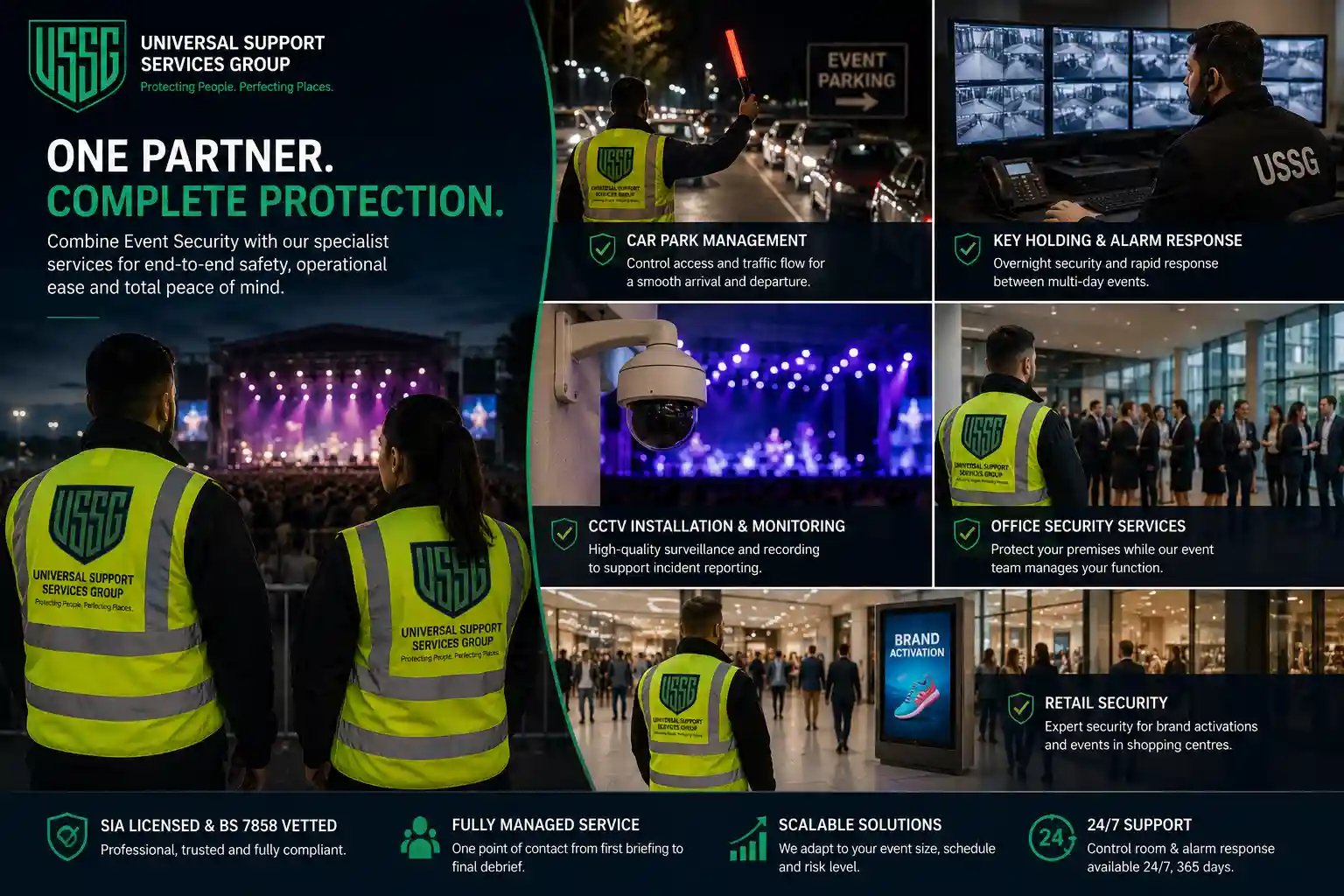
CCTV requirements and K9 security requirements are considered through specialist suppliers, subject to suitability and an agreed scope. View all USSG services for other site requirements.
Dates, duties and venue requirements
A useful quote explains the staffing and hours behind the price. Attendance is one input; the venue layout, programme and tasks also matter.
Tell us where your event is taking place
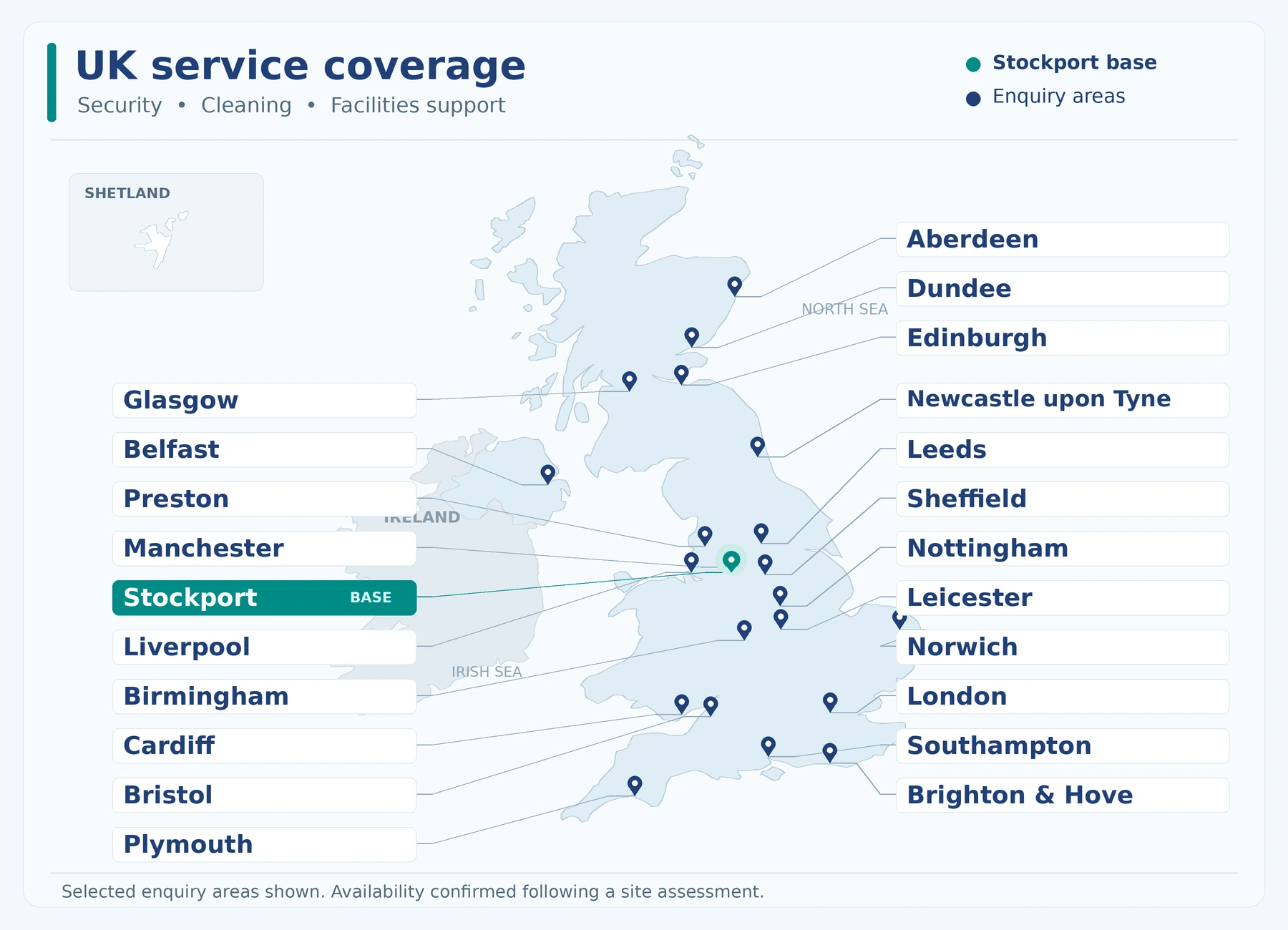
Based in Stockport, Greater Manchester, USSG considers event security enquiries across the UK. For a series of events, share each venue and date so local requirements and availability can be reviewed.
Before you book
Answers to practical questions about staffing, scope and arranging your event cover.
The agreed brief can include entry and access arrangements, a visible security presence, restricted-area protection, observations around queues and incident reporting. Duties, staffing and delivery responsibilities are confirmed for the particular event.
No. The duties, venue and event arrangements determine the roles required. Security guarding, door supervision and non-security stewarding are different activities. Appropriate licensing, competence and delivery arrangements must be checked before booking.
No. Direct security guarding is assessed within USSG’s agreed scope. Door supervision and other specialist requirements need separate review; where specialist suppliers are required, the provider and responsibilities are confirmed before booking.
Staffing is assessed around entrances, fixed posts, patrols, operating hours, busy periods, relief cover and escalation arrangements. Attendance alone does not provide a reliable staffing answer. Share the venue plan and programme so simultaneous duties can be considered.
Yes. USSG considers enquiries for different event formats. The venue, duties, relevant requirements, specialist provision and staffing availability are reviewed before a service is confirmed.
These periods can be included in the enquiry. Specify when contractors arrive, when equipment is left on site and when the venue is handed back. Scope and availability are confirmed in the proposal.
USSG can consider these requirements through specialist suppliers. Suitability, the provider, duties and responsibilities are agreed separately; they are not automatically included in an event guarding booking.
No. The security assignment works within agreed event arrangements. Event management, emergency planning and specialist safety responsibilities must remain clearly allocated to the appropriate people.
The price depends on cover hours, staffing, duties, venue layout, assignment duration and any specialist services. Ask for a written proposal that explains the scope, charges and process for agreeing changes.
Send the venue address, dates, event format, expected attendance, programme and required cover hours. Include known venue conditions and the duties you need. USSG will review the information and confirm the next planning step.